Showing posts with label Covered Walkways For Schools. Show all posts

Design Considerations For Durable Covered Walkways

Design Considerations For Durable Covered Walkways
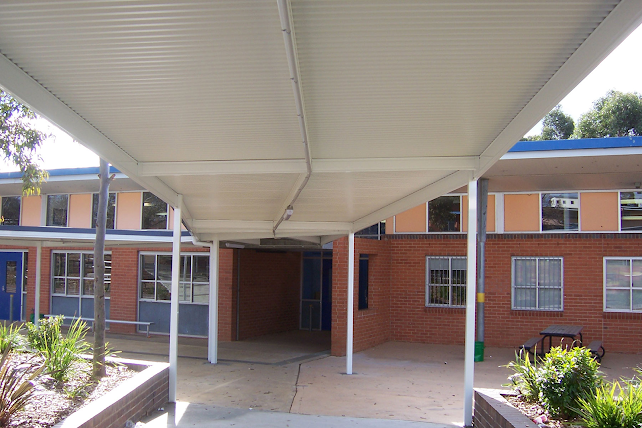
Image Source: https://stylemasterpatios.com.au/schools/covered-walkways/
A durable covered walkway is essential in most parts of Australia to keep people protected from intense sunshine, sudden storms, and strong winds. These structures must be designed to handle year-round temperature and weather fluctuations without requiring any significant repairs or maintenance. The right design approach is needed first to ensure that these structures deliver long-term performance, reliable safety, and a clean, modern look. Let us consider some common factors to keep in mind when designing a durable covered walkway.

SELECT MATERIALS THAT CAN TOLERATE AUSTRALIAN WEATHER CONDITIONS

A perfectly covered walkway is easy to imagine, made with materials that can withstand extreme Australian climate conditions. Steel framing, aluminium components, and high-quality roofing sheets are ideal for covered walkways and louvre roof installations, helping keep these structures free from corrosion and maintain structural stability during high ultraviolet exposure. 

There should also be solutions available to enhance airflow and provide complete shade control. The design should be created to keep walkways cooler during the summer season and to remain strong and stable during heavy rain.

IMPROVE EVERYDAY USE WITH GOOD PLANNING

Proper planning and timely execution will improve the everyday use of covered walkways and louvre roof installations. You will also experience consistent safety with an innovative design that focuses on foot traffic patterns, peak use time, and direction of the harsh afternoon sun.

Proper planning involves considering several factors to ensure that no sections leave students, staff, and visitors unprotected in the scorching summer heat.

  • Weather protection is easy to ensure with some practical features.

  • Reinforced posts and brackets for high-wind areas

  • UV-resistant roofing sheets for long-term sun protection

  • A louvred roof section for adjustable shade

  • Guttering and downpipes to control heavy rain

  • Non-slip surfaces for safer wet-weather access

REGULAR MAINTENANCE = DURABILITY

Even the most robust covered walkway will fail to meet your expectations due to without timely maintenance. Regular maintenance is required to keep covered walkways well-maintained and good-looking. Inspection also plays an important role, and involves checking for leaf build-up, loose fittings, and minor wear and tear. This is done to ensure that the structure withstands harsh weather conditions for years with minor maintenance and repair work.

Some frequently asked questions related to modern-day covered walkway designs are presented below.

FAQs

HOW LONG SHOULD A COVERED WALKWAY LAST?

  • A durable walkway can last decades when built with corrosion-resistant materials and maintained regularly.

IS A LOUVRED ROOF SUITABLE FOR COVERED WALKWAYS?

  • A louvred roof provides strong weather protection while allowing airflow and adjustable shade.

WHAT MATERIALS WORK BEST FOR HARSH COASTAL REGIONS?

  • Aluminium and galvanised steel reduce corrosion and deliver long-term structural strength.

Understanding Roof Walkways: Safe Access and Smart Maintenance Solutions

                            Image Source: https://stylemasterpatios.com.au/schools/covered-walkways/

Roof walkways are important safety systems used on buildings where rooftop access is needed. They provide a safe, non-slip path for workers like maintenance crews, inspectors, or technicians. These walkways help prevent falls, protect the roof, and ensure the building meets workplace safety laws.

What Is a Roof Walkway?

A roof walkway is a stable path placed on top of a roof. It gives workers a clear and safe route to walk on. These paths spread the weight of people walking, which helps protect roofing materials from damage.

Walkways are often built with durable materials like aluminium, steel, or composite grating. They are durable and can withstand inclement weather. Depending on the roof type and height, walkways may also include handrails for extra safety. Because roofs come in many shapes, these systems are often modular, meaning they can be adjusted to fit any layout—flat, sloped, or curved.

Safety Rules in Australia

In places like New South Wales (NSW), roof walkways must follow Work Health and Safety (WHS) laws. These rules also include Australian Standard AS 1657:2018. They require:
  • Slip-resistant surfaces
  • Safe access to areas needing maintenance
  • Use of strong, long-lasting materials
  • Safety rails when needed
Building owners must make sure these walkways are installed correctly and checked often. Regular inspections help keep systems safe and legal.

Roof walkways offer many benefits:

Protect the Roof: Constant walking on the roof can damage waterproof layers. Walkways reduce this risk.

Improve Worker Safety: Walkways provide grip in wet, icy, or uneven conditions.

Follow the Law: Installing proper systems helps meet safety rules and lowers the risk of fines or injuries.

Many businesses use modular systems that include anti-slip features and fast drainage. These are simple to install and adjust as required.

What to Check Before Installation

Before setting up a walkway, it’s important to do a risk check. These are simple to install and Configure as needed.

Things to look at include:
  • Roof angle and weight limits
  • Weather conditions
  • How often workers need access
  • How close the path is to roof edges or weak spots
A safety expert or engineer should be involved to make sure the design meets safety standards. You can also add extra protection like handrails, anchor points, or fall arrest systems.

Keep Walkways in Good Condition

Like any safety system, roof walkways need regular checks. Weather, age, and use can wear down the materials.

Look out for:
  • Rust or loose parts
  • Worn-out anti-slip surfaces
  • Debris blocking the walkway
  • Fix any problems quickly to keep workers safe and extend the life of the walkway.

Safety Laws Across Australia

Safety rules can differ slightly between states, but all focus on worker protection. In NSW, SafeWork NSW checks building safety. If your walkway system doesn’t meet standards, you could face penalties. A well-kept system helps avoid this and shows a strong commitment to safety.

Conclusion

Roof walkways are more than just a path—they are a smart investment in safety. They protect workers, prevent roof damage, and help your building meet safety standards. Whether it's for industrial roofing or residential structures like Patios Sydney homeowners trust, having the right system and keeping it maintained shows care for your team and your property.

Factors That Influence the Decision to Purchase Roof Walkways

           Image Source: https://stylemasterpatios.com.au/schools/covered-walkways/

Safety and efficiency can be easily maintained with high–quality roof walkways. These installations are also highly useful in residential and commercial properties and industrial sites. Using them successfully starts by selecting the proper roof walkways, as they contribute enormously towards protecting workers and the roof's integrity. Here is a guide to remind you about important factors to consider when choosing roof walkways successfully.

HOW TO USE ROOF WALKWAYS?

Roof walkways are pathways installed on the roof to provide safe access to the entire roof. They are primarily used in areas where maintenance, inspection and emergency-related access to the roof is mandatory. These roof walkways can be made of materials like aluminium, fibreglass, rubber, etc., and some incredible safety features minimise the risks of sleeping or falling. Well-designed roof walkways will prevent damage to the roof material while maintaining top-notch safety for people accessing the roof frequently.

HOW TO CHOOSE THE RIGHT ROOF WALKWAYS?

DETERMINE THE MATERIAL

The material that roof walkways are made up of is a critical factor. Some top options recommended by the vendors of patio solutions are reviewed here.

ALUMINIUM

This metal is extremely lightweight, durable and resistant to corrosion. Aluminium roof walkways are an easy choice for maximum rooftops, and they provide a high strength-to-weight ratio. Another feature is that it can withstand various types of weather conditions without any significant wear and tear or breaking down.

FIBREGLASS ROOF WALKWAYS

Fiberglass roof walkways come with excellent slip-resistance properties, and this makes them ideal for areas where excessive moisture prevails. Fibreglass is also known for its non-corrosive properties and ability to easily withstand chemical exposure, excessive sunshine, frequent rainfall, etc.

RUBBER ROOF WALKWAYS

Rubber roof walkways offer excellent traction and are ideal for flat roofs. They are instrumental in reducing noise levels and the damage that roofs could experience.

DETERMINE THE LOAD CAPACITY

Before investing in roof walkways, you must consider the load your employees will put on them. This will help you determine the varying levels of support based on the foot traffic and safety equipment to be used. Don't forget to review the manufacturer's instructions and determine how these roof walkways can safely hold the weight of foot traffic.

SAFETY FEATURES

You must not ignore safety features at all while purchasing roof walkways. Features like slip resistance to lower the risks of crashes must be present in these structures. There should also be guard rails and edging to provide additional safety and prevent falls. Visibility is the third must-have feature, and roof walkways should have bright colours and reflector materials for enhanced safety and visibility.


Top Features to Look For In Roof Walkways

              Image Source: https://stylemasterpatios.com.au/schools/covered-walkways/

Workplace health and safety are two major issues that Australia considers very seriously. This is why installing a roof walkway system is mandatory, as per the laws. They are a mandatory part of high-rise buildings where access to the roof is unavoidable and unsafe at the same time.

WHEN IS ROOF WALKWAYS NEEDED?

As mentioned above, roof walkways are ideal for buildings where frequent access to the roof is needed. In these situations, roof walkways ensure that employees and staff accessing the roof stay completely safe. Falling from height is a significant reason behind several casualties every year in Australia as per the data of Safe Work Australia. In this situation, appropriate roof safety measures are needed to address this concern. Roof walkways are the ideal safety solution as they have compliant railings and other safety measures to keep the staff safe from risks while working at high heights.

WHAT DOES AS-1657 SAY?

AS-1657 refers to the guidelines that one must comply with while installing roof walkways. According to the vendors of opening louvre roofs without complying with the guidelines mentioned in AS-1657, getting your roof walkways inspected and certified by relevant authorities. Here are some key elements discussed in AS-1657.

REGARDING EXTERNAL LADDERS USED FOR ROOF ACCESS

As per the laws, the ladder should lead to 2-meter roof walkways, and it should be equipped with handrails to provide safe roof access.

WHAT ABOUT INCLINED ROOF WALKWAYS?

If you have inclined roof walkways, it is essential to install guardrails along with them. This should be done even if the walkway is more than 2 m away from the edge of the roof.

BRITTLE SURFACES

In case of asbestos cement sheets on your roof, vendors of opening louvre roof recommend roof walkways with guardrails to create a safe path.

WHAT ABOUT HAZARDOUS AREAS?

More hazardous areas on the roof should have roof walkways and guardrails to provide safe roof access. Similarly, as per AS-1657, in case of an incline of over 10 degrees, it is recommended to use cleats to prevent risks of slipping.

WHAT FEATURES SHOULD BE BUILT INTO YOUR ROOF WALKWAYS?

STRENGTH

The top feature of roof walkways is their ability to handle weight easily. This strength can be guaranteed by using robust materials such as steel and aluminium during manufacturing.

HIGH-QUALITY TRACTION

Roof walkways should also have high-level traction to prevent slipping and tripping, as these are the two most common reasons for falling from heights. The traction will allow people to keep their feet steady and firm on the surface and eliminate the chances of sleeping.

PROPER DRAINAGE CAPABILITIES

Roof walkways should have a proper drainage system to allow water to drain completely rather than creating a pool full of mud and debris. Proper drainage will ensure better traction, and the chances of rusting will also be reduced completely.


Designing Outdoor Spaces for Long Summers with Insulated Patio Roofing

Image Source: https://stylemasterpatios.com.au/insulated-patio-roof/ West Sydney can hit 47 degrees during heat waves and turns uninsulated ...